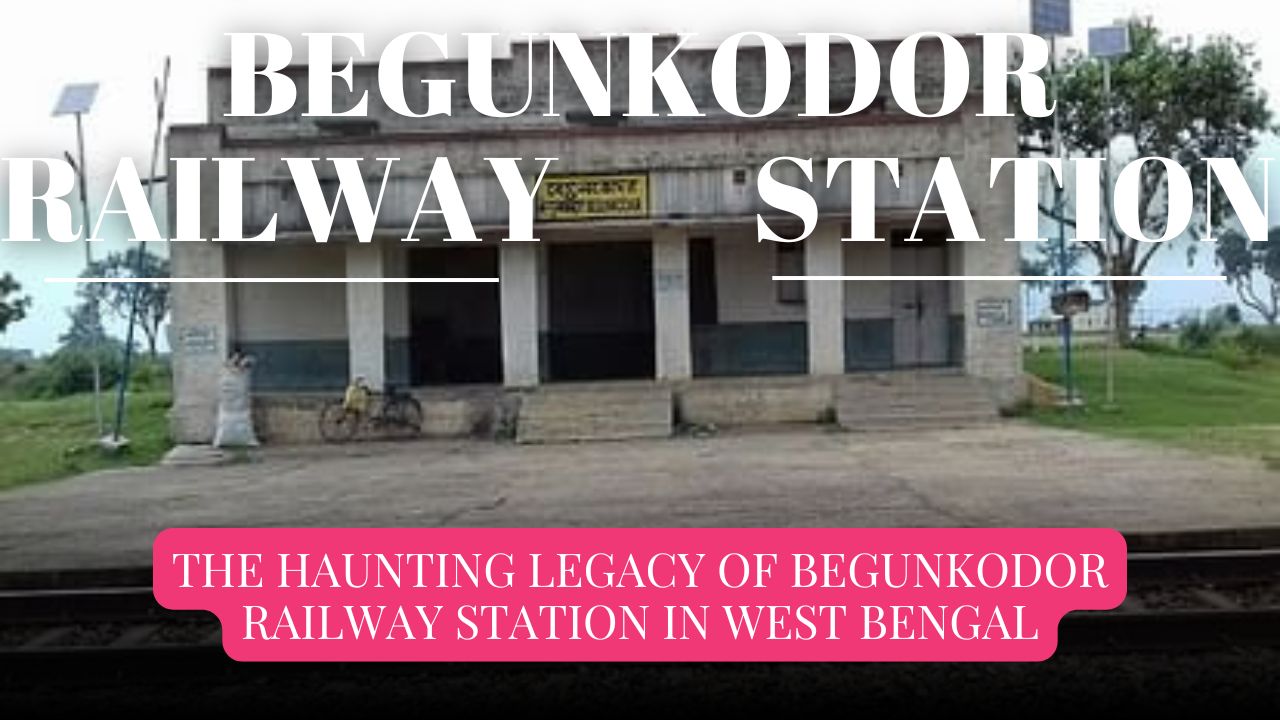
Introduction to Begunkodor Railway Station
Begunkodor Railway Station, nestled in the Purulia district of West Bengal, holds a unique place in the region’s railway history. Established during the mid-20th century, it was initially seen as a beacon of progress, promising to bridge the gap between the remote rural areas and bustling urban centers. Located in a predominantly agrarian region, the station’s proximity to local villages and its position within the South Eastern Railway zone contributed significantly to its early prominence.
The inception of Begunkodor Railway Station was met with immense optimism from the local populace. It wasn’t merely a stop on their journey; it symbolized a conduit to broader opportunities and connectivity. For farmers and small-scale traders, the railway station became a critical artery for transporting goods to larger markets in cities like Kolkata. This newfound accessibility was pivotal in fostering economic activities in the area and integrating the Purulia district more closely with the rest of West Bengal.
In its formative years, Begunkodor Railway Station served as a crucial link in the regional rail network. Beyond facilitating passenger travel, it played a vital role in the logistics of freight, contributing to the movement of agricultural produce and other local commodities. The station’s establishment marked a period of growth, bringing about an infrastructural uplift that was long overdue for the surrounding communities.
The socio-economic impact of the Begunkodor Railway Station was manifold. On the one hand, it encouraged the flow of resources and people, leading to a gradual improvement in the standards of living. On the other hand, it sparked a cultural exchange, as rural inhabitants found new avenues to engage with the broader socio-cultural landscape of West Bengal. Even today, despite its later association with haunting tales, the station’s initial contributions to local development remain etched in the collective memory of the region’s inhabitants.
Begunkodor Railway Station, located in West Bengal, has gained a notorious reputation over the years, primarily due to tales of supernatural encounters that date back to the late 1960s. The origins of these ghost stories can be traced to the first reported sighting of an apparition by railway personnel. According to local accounts, a railway employee allegedly saw the specter of a woman wearing a white saree near the tracks one fateful night. This sighting marked the beginning of the station’s eerie legacy.
As word spread, stories began to emerge from different sources, adding fuel to the growing mystique. Tragic events that had supposedly occurred at the station became intertwined with these ghostly narratives, further amplifying the station’s haunted image. Local villagers recount tales of a tragic train accident that claimed the lives of a woman and her child. Whose spirits are believed to wander near the station, seeking solace and justice.
Railway personnel have also contributed to these chilling stories. Numerous train operators have claimed to have seen ghostly figures cross the tracks moments before. Their trains passed through, only for the apparitions to vanish without a trace. Some stationmasters and guards even reported instances of inexplicable cold spots and eerie, disembodied whispers during their late-night shifts. These unsettling experiences have made the staff wary of overnight duties at Begunkodor Railway Station, further solidifying its fearsome reputation.
Many travelers have narrated encounters with shadowy figures and unexplainable phenomena while waiting for their trains. The combination of these narratives has entrenched Begunkodor as one of the most haunted railway stations in India. Instilling both fear and curiosity among those who hear of its spectral stories. Whether these accounts are true or products of vivid imaginations. The station’s haunted reputation remains an integral part of its legacy.
The 42-Year Closure and Reopening
Located in the heart of West Bengal, the Begunkodor Railway Station became infamous for its haunted reputation, leading to an extraordinary 42-year closure. These ghost stories quickly ingrained themselves into the local folklore. Causing widespread fear and avoidance among the community, railway workers, and passengers.
In the shadow of its haunted status, public and governmental perception of Begunkodor Railway Station grew increasingly negative. The Indian Railways, influenced by these eerie tales, ceased operations in 1969. The station, once a bustling hub for travelers, stood silent and desolate. The closure resulted in significant economic and social impacts on the local population. Who depended on the railway for connectivity and commerce. With no operational rail services, the area around the station gradually fell into neglect. The deteriorating infrastructure, overgrown vegetation, and decaying buildings served as physical reminders of the station’s abandonment.
Despite these conditions, the haunting label never completely erased the station from public consciousness. In the early 2000s, a growing faction of skeptics—including local government officials, community leaders, and rail enthusiasts—began efforts to challenge the supernatural myths. They advocated for the station’s reopening, arguing. That the ghost stories were nothing more than folklore, and emphasized. The need for connectivity and economic revival in the area.
In 2009, these persistent efforts culminated in the official reopening of Begunkodor Railway Station. This decision was a significant milestone. Representing not just the return of rail services but a broader attempt to reclaim the station’s history from the grips of superstition. The initiative succeeded in revitalizing the area, attracting attention from tourists and historians interested in the station’s unique past. Today, Begunkodor Railway Station stands as a testament to the resilience of the local community and their ability to overcome decades of fear and neglect.
Present Day and Cultural Impact
Currently, Begunkodor Railway Station stands as a testament to the dynamic interplay between myth and modernization. Following years of abandonment due to its haunted reputation, the station underwent a significant revival. Restoration efforts have rejuvenated its infrastructure, accommodating modern operations and providing a safer environment for commuters. The station now functions efficiently within West Bengal’s railway network, reconnecting local residents with broader transit routes.
Despite its modernization, the legacy of Begunkodor Railway Station remains deeply embedded in local folklore. Stories of apparitions and eerie occurrences continue to captivate the imagination, bringing a unique charm to the station. These narratives play a pivotal role in its cultural impact, influencing media representations from television shows to documentaries. That delve into its mysterious past. The station’s enigmatic allure thus perpetuates its presence in popular culture.
Moreover, the haunting tales have had a significant impact on tourism. The once feared and abandoned site has transformed into a point of intrigue. Attracting visitors eager to experience the storied location firsthand. Ghost tours, organized by local guides, offer an immersive exploration of the ghostly legends. Complemented by historical insights into the station’s operational history. This influx of tourists has, in turn, facilitated the growth of the local economy. Benefiting nearby businesses and creating new opportunities for community engagement.
In a broader context, the legend of Begunkodor Railway Station exemplifies the profound effect such folklore can have on communities and infrastructure. These stories foster a sense of collective identity and continuity, as residents and visitors alike experience a shared narrative. The transformation of the station from a haunted relic to a cultural landmark underscores the resilience of communities in reimagining spaces once plagued by superstition.