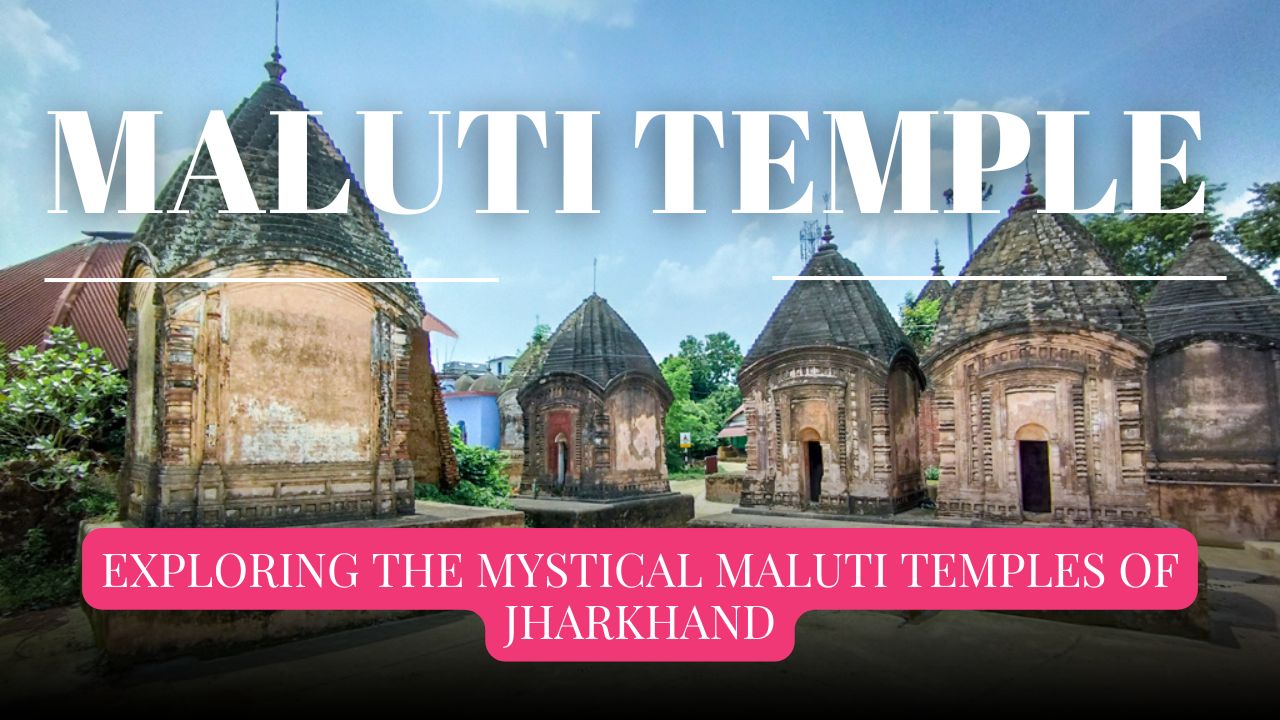
Introduction to Maluti Temples
The Maluti Temples, nestled in the serene landscape of Jharkhand, hold a significant place in India’s cultural and spiritual heritage. This exquisite collection of temples, numbering over 70, is a marvel of ancient architecture and embodies the historical essence of the region. Believed to date back to the 8th century, these structures remain a testament to the artistry and devotion of the past. Their unique architectural style showcases intricate carvings and distinct features that reflect the rich heritage of Jharkhand.
Located near the small village of Maluti, these temples are not just an architectural wonder; they also serve as a vital pilgrimage site for many devotees. Visitors come from various parts of the country to offer their prayers and seek blessings in this hallowed place. The Maluti Temples are predominantly dedicated to Goddess Durga, among other deities, and the annual festivities attract numerous devotees, adding to the spiritual ambiance of the site.
In terms of historical context, the temples stand as a silent narrative of the socio-religious dynamics that shaped this region over the centuries. The architecture of the Maluti Temples features influences from both tribal and other cultural elements, creating a synthesis that is unique to the area. The striking juxtaposition of nature and divine architecture enhances their mystique and charm, making the Maluti Temples a must-visit for both spiritual seekers and history buffs alike.
Historical Significance of the Maluti Temples
The Maluti Temples, an archaeological treasure located in Jharkhand, boast a rich history that extends back to the 17th century. Established by the erstwhile Bhuiya kings, these temples form a distinctive ensemble of religious architecture that reflects the spiritual and cultural inclinations of that era. Over time, various dynasties contributed to the construction and embellishment of these magnificent structures, turning them into significant historical sites.
This strategic dedication indicates the layered cultural history of the region, symbolizing a blend of Shaivism and Shaktism. Each temple tells a story that resonates with the local folklore and the ancestral traditions of Jharkhand, some of which depict the folklore of heroic acts and divine interventions experienced by the ancient inhabitants.
The temples, comprising over 70 shrines, also serve as a testament to the socio-political dynamics of their time. As centuries passed, the region witnessed various political upheavals, yet the temples have remarkably endured, maintaining their structural integrity and spiritual essence. They stand resilient against the test of time, representing hope and faith for generations of devotees and travelers alike. The preservation of these structures amidst modern development reflects their importance as a cultural heritage site. The Maluti Temples are not merely a beautiful place to visit; they are an integral part of Jharkhand’s identity, embodying both historical and spiritual legacies.
Architectural Features of the Maluti Temples
The Maluti temples, situated in the picturesque landscape of Jharkhand, exhibit a unique architectural style that captures the essence of Indian temple architecture while incorporating local influences. Each temple showcases detailed depictions of deities, floral patterns, and geometric designs, reflecting the high level of craftsmanship that was prevalent during their construction.
Symbolism plays a crucial role in the architectural features of the Maluti temples. The design elements, such as the garbhagriha (sanctum sanctorum) and shikhara (tower), are deeply rooted in religious significance. The shikhara not only enhances the temple’s verticality, which is symbolic of reaching towards the divine, but also aligns with broader trends observed in Indian temple architecture, where the lofty towers signify spiritual aspiration. The layouts of these temples are meticulously planned, emphasizing a harmonious relationship between the built environment and nature.
The materials used in the construction of the Maluti temples further contribute to their lasting legacy. Primarily crafted from locally available stone, the temples display a blend of durability and aesthetic appeal. The stonework, enriched with finely detailed carvings, is a remarkable feat of engineering, ensuring both visual splendor and resilience against the elements. This choice of materials not only provided structural integrity but also tied the temples to the landscape, making them a beautiful place within their surroundings.
The architectural features of the Maluti temples epitomize the fusion of artistic expression and spiritual devotion. As a historical site, it serves as an important repository of cultural memory, enabling visitors to appreciate the intricate artistry that continues to inspire awe. In conclusion, the Maluti temples remain a significant landmark in Jharkhand, offering insights into the architectural prowess of their creators and the spiritual vision that guided their construction.
Visiting the Maluti Temples: A Guide
Planning a visit to the Maluti temples in Jharkhand can be an enriching and enlightening experience for travelers interested in historical sites and spiritual exploration. The ideal time to visit this beautiful place is between October and March. During these months, the weather remains pleasant, making it comfortable for sightseeing and exploration. Notably, the festivals of Durga Puja and Diwali are magnificent times to witness vibrant rituals and local cultural practices.
When it comes to reaching this remarkable location, visitors can opt for various transport options. The nearest major city is Dumka, approximately 35 kilometers away. From Dumka, one can hire taxis or use local buses that conveniently ply to the Maluti temples. Additionally, those preferring a more scenic route can consider opting for self-drive or renting a vehicle to enjoy the picturesque landscapes along the way.
Accommodation options in and around the area are limited but provide a range of budget-friendly stays. Local guesthouses and lodges offer a cozy place to rest, while those seeking a more immersive experience can consider staying in Dumka, which boasts several hotels catering to different preferences. Finding accommodations ahead of time is advised, especially during peak tourist seasons.
Visiting the Maluti temples provides an opportunity for visitors to engage in various rituals and practices. Moreover, observing local devotees can offer insight into the customs and traditions that define this mystical historical site. These experiences not only contribute to a deeper appreciation of the Maluti temples in Jharkhand but also enhance the spiritual journey of each visitor.