Introduction to Bada Bagh
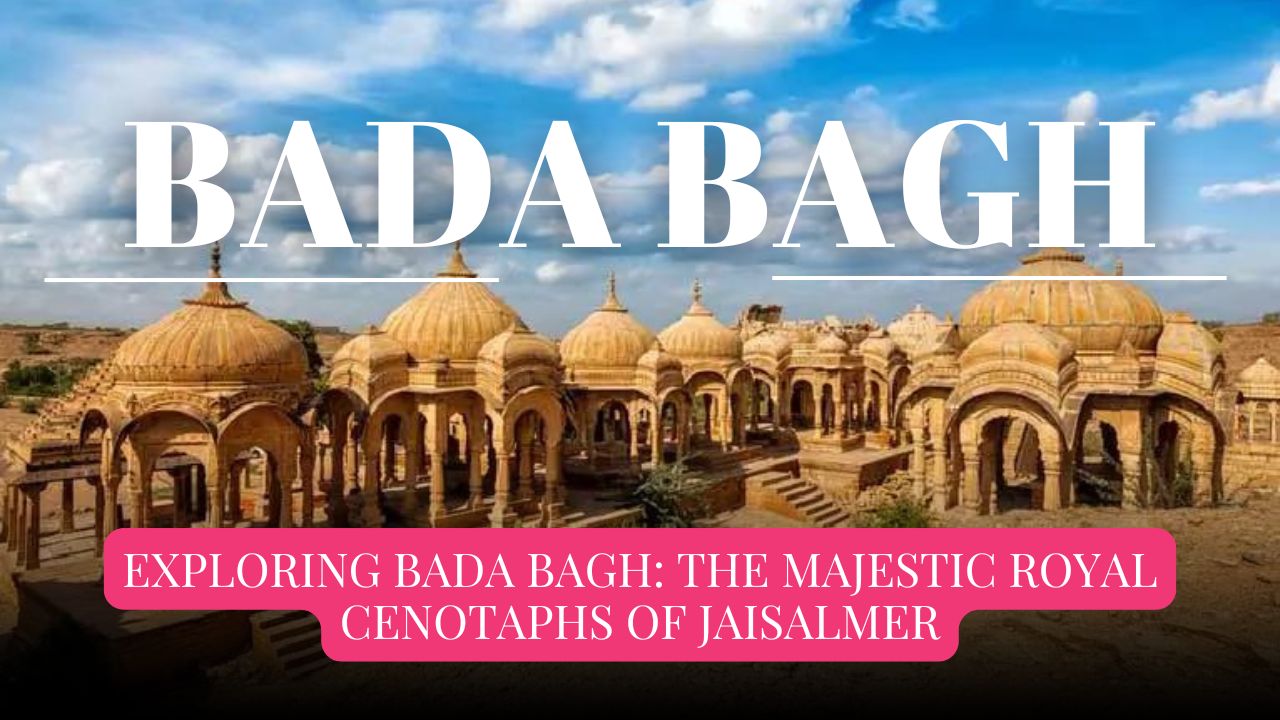
Bada Bagh, a mesmerizing site located on the outskirts of Jaisalmer, serves as a royal cremation ground that holds immense historical and cultural significance. Established during the reign of the Rawal dynasty, this beautiful place is not merely a burial site but a symbol of the grandeur and traditions that once thrived in this arid region. The cenotaphs found here are dedicated to the royal family members who ruled over Jaisalmer, reflecting the architectural splendor and the rich heritage of the time.
The construction of Bada Bagh commenced in the 16th century, initially commissioned by Maharawal Jawahir Singh as a tribute to his ancestors. Over the centuries, various rulers contributed to the site, crafting ornate cenotaphs that showcase intricate carvings, elaborate pillars, and majestic domes. The use of yellow sandstone gives these structures a unique glow at sunset, enhancing the picturesque ambiance. As one strolls through the grounds, the combination of artistry and historic significance is palpable, making it a captivating destination for visitors.
The landscape surrounding Bada Bagh adds to its allure, with the vast expanse of desert creating a tranquil atmosphere that feels separate from the bustling city of Jaisalmer. This serene environment allows for moments of reflection and introspection, inviting one to appreciate the rich history and the lives of those who once inhabited this beautiful place. As such, Bada Bagh not only serves as a reminder of the royal lineage but also of the enigmatic beauty of Jaisalmer’s desert landscape, where time seems to stand still amidst the captivating tombs of the past.
Architectural Marvels of Bada Bagh
Bada Bagh, located on the outskirts of Jaisalmer, is not only a site of historical significance but also an exquisite example of architectural brilliance that reflects the artistic prowess of the bygone era. The cenotaphs here, constructed in honor of the royal family, exhibit a harmonious blend of Rajput and Mughal architectural styles, standing as testaments to the region’s rich cultural heritage. Each monument is uniquely designed, featuring a distinctive courtyard leading to a grand entrance adorned with intricately carved pillars.
The most prominent feature of these cenotaphs is their exceptional craftsmanship, particularly visible in the detailed stone carvings that embellish nearly every inch of the structures. These carvings depict various motifs, including floral patterns and intricate geometric shapes, which not only enhance the aesthetic appeal but also tell stories reflective of the time. The use of locally sourced sandstone gives the cenotaphs their characteristic golden hue, especially during sunrise and sunset, making Bada Bagh a beautiful place for visitors and photographers alike.
Another noteworthy aspect of the architecture is the use of chhatris, or domed pavilions, which are common in Rajasthan’s monuments. These elevate the grandeur of the cenotaphs, adding to the skyline of Jaisalmer. The cenotaphs are positioned impressively amidst landscaped gardens and lush vegetation, which further amplify their beauty and create a serene environment for those wishing to pay their respects.
Each cenotaph at Bada Bagh is not merely a memorial but a narrative in stone that encapsulates the essence of the era. The architectural marvels of Bada Bagh serve as a significant reminder of the legacy of the royal family while portraying the meticulous craftsmanship and architectural innovation that defined the region’s history. The site continues to draw visitors eager to witness this beautiful place that is steeped in history and artistry.
Visiting Bada Bagh: Tips and Recommendations
Planning a visit to Bada Bagh in Jaisalmer can be an enriching experience, as this beautiful place offers a stunning snapshot of the region’s royal history. To make the most of your trip, consider visiting during the cooler months, between October and March. This period boasts pleasant weather, which allows for leisurely exploration of the cenotaphs and the surrounding landscape.
To reach Bada Bagh, visitors can hire a taxi or rent a vehicle from Jaisalmer city. The site is located about 6 kilometers from the city center, making it easily accessible. Many tour operators offer packaged tours that include a visit to this majestic location alongside other attractions in Jaisalmer, providing convenient options for travelers.
As for the entrance fee, Bada Bagh is typically budget-friendly, with nominal charges for visitors. However, it is advisable to check the latest updates on ticket prices before your visit, as they may vary. The site is generally open throughout the day, but arriving early in the morning can provide you with a peaceful experience, allowing you to enjoy the tranquility before large crowds appear.
In addition, it is worth venturing beyond the main site to discover the scenic landscapes that surround the cenotaphs, offering ideal opportunities for photography and reflection.
Many visitors have shared delightful experiences about the sun setting over Bada Bagh, painting the sandstone monuments in wonderful hues. By factoring in these tips and recommendations, your visit to Bada Bagh can become a fascinating journey through the royal heritage of Jaisalmer, ensuring that you appreciate this beautiful destination fully.
Cultural Significance and Legacy
Bada Bagh, the beautiful place located just a short distance from Jaisalmer, serves as a vital symbol of the region’s rich cultural heritage. These impressive royal cenotaphs are not merely architectural marvels; they embody the spirit and traditions of the Rajasthani people. Each cenotaph stands as a testament to artistic craftsmanship, with intricate carvings and designs that reflect prevailing artistic trends of the time.
In addition to their aesthetic appeal, the rituals observed at Bada Bagh add layers of spiritual and cultural significance to the site. Families visit the cenotaphs to pay homage to their ancestors, engaging in ceremonies that affirm their connection to the past. It becomes a place where the present honors the memory of the past, ensuring that the traditions and values of the region remain vibrant.