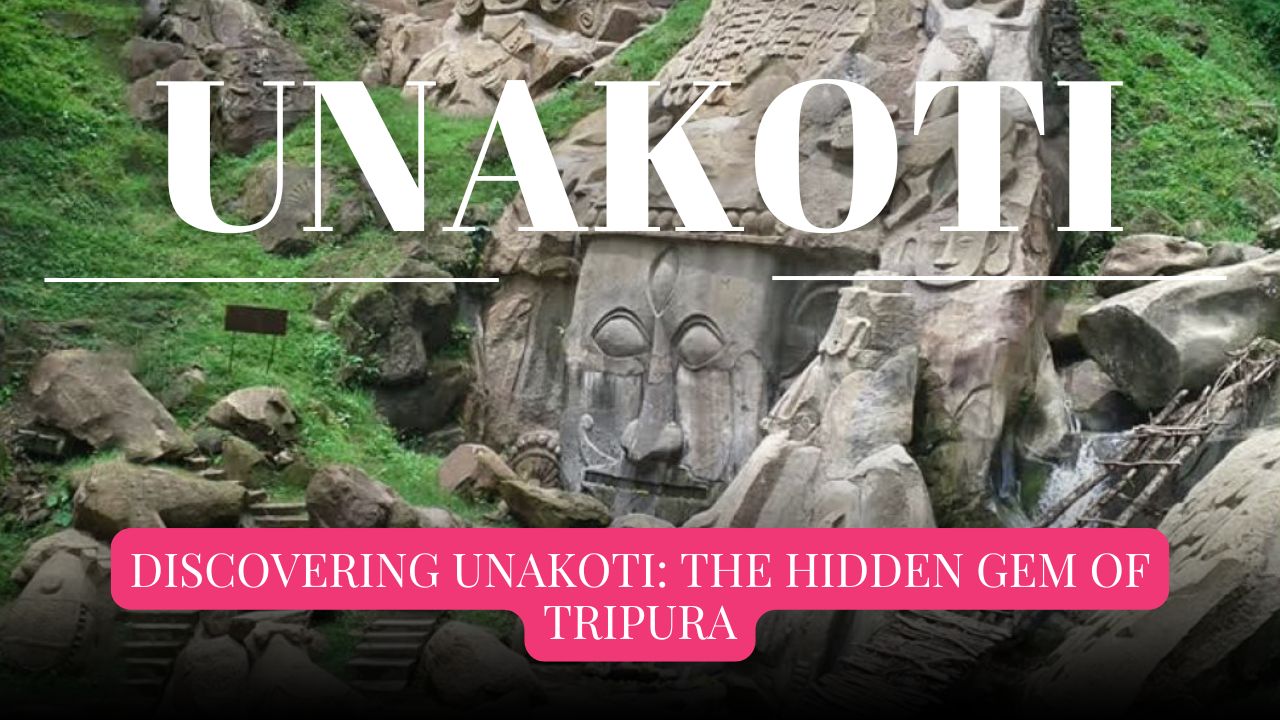
Introduction to Unakoti
Nestled in the picturesque landscape of Tripura, Unakoti is a fascinating destination that captivates visitors with its unparalleled charm and rich heritage. This beautiful place is located approximately 8 kilometers from the town of Kailashahar and is accessible through scenic roads that wind through lush green hills and valleys. Renowned for its remarkable rock-cut sculptures, Unakoti boasts a unique blend of natural beauty and cultural significance, making it a worthy addition to any travel itinerary in India.
The name ‘Unakoti’ itself translates to “one less than a crore,” symbolizing the stories of numerous sculptures believed to have existed in the area. Although many of these magnificent carvings have eroded over the years, the remaining ones still reflect the artistic prowess and spiritual significance that draws tourists and pilgrims alike.
This hidden gem is often overlooked by travelers seeking the more commonly known attractions of India. However, what sets Unakoti apart from other destinations is its serene atmosphere and pristine surroundings, where visitors can engage with nature while exploring the enchanting tales behind the ancient sculptures. When visiting, one can expect to encounter breathtaking landscapes, interspersed with lush forests and cascading waterfalls, that provide an idyllic backdrop for hiking, photography, or relaxation. In essence, Unakoti is a delightful haven for those seeking a harmonious blend of culture, history, and natural beauty in the heart of Tripura.
The Myth and Legends of Unakoti
Unakoti, a remarkable site in Tripura, is steeped in captivating myths and legends that enhance its allure as a beautiful place infused with spiritual significance. One of the most prominent tales revolves around the legend of Lord Shiva, regarded as the supreme deity in Hinduism. According to folklore, the name “Unakoti” translates to ‘one less than a crore’, signifying the existence of a vast number of stone carvings depicting various deities, all emanating from the hand of the divine. The lore suggests that these figures are the result of a divine incantation, reflecting the rich cultural heritage of the region.
The legend narrates that Lord Shiva was on his way to Kashi with his followers when he halted at this picturesque location. Enchanted by its beauty, he chose to rest and instructed his companions to sculpt one crore idols of him before dawn. However, as the sun began to rise, only one idol was completed. Angered by this shortfall, Lord Shiva cursed his followers, transforming them into stones. Thus, the breathtaking rock sculptures of Unakoti are believed to be the remnants of this legendary incident.
This captivating story not only highlights the location’s connection to Lord Shiva but also symbolizes the interplay between divinity and humanity, lending Unakoti a sacred atmosphere. Each sculpture invites individuals to reflect on its significance within the larger tapestry of Hindu cosmology, making Unakoti a must-visit destination for those interested in exploring mythology and heritage.
The Marvelous Rock Carvings
Unakoti, located in the picturesque region of Tripura, is renowned for its extraordinary rock carvings that date back to the 7th century. These artful sculptures, hewn from the hills, are an eloquent reminder of the craftsmanship of ancient artisans. The site features an array of figures, predominantly depicting deities from Hindu mythology, with the most notable being the colossal sculptures of Lord Shiva and various other gods and goddesses. The monumental carvings, some standing as high as 30 feet, exhibit intricate details that are both captivating and awe-inspiring.
The craftsmanship displayed in these rock carvings reveals a unique blend of artistry and spirituality, reflecting the cultural heritage of the region. The serene expressions and elaborate hairstyles of the figures illustrate the skill that went into their creation. Numerous smaller carvings adorn the surrounding landscape, depicting various mythological scenes and motifs, which further enrich the artistic tapestry of Unakoti.
Over the centuries, the preservation and protection of these beautiful sculptures have become paramount, as climate elements and human activity threaten their integrity. Recent efforts by local authorities, along with support from cultural heritage organizations, aim to protect and restore these irreplaceable works of art. This work is crucial, considering that not only does Unakoti serve as a significant archaeological site, but it also attracts numerous visitors who seek to appreciate its historical importance.
Ultimately, the stunning rock carvings of Unakoti stand as a testament to the artistic prowess of ancient craftsmen, echoing the rich traditions of the past. They have transformed this beautiful place into a cultural treasure that continues to inspire awe in those who visit it. The intricate details and historical significance of the carvings render Unakoti an unmissable destination for anyone exploring the vibrant history of Tripura.
Planning Your Visit to Unakoti
Visiting Unakoti, a beautiful place nestled within the picturesque hills of Tripura, requires some thoughtful planning to ensure you make the most of your experience. The best time to visit Unakoti is during the winter months, from October to March, when the weather is pleasantly cool and perfect for exploration. The lush green landscape, combined with the stunning rock carvings, creates an ideal backdrop for photography and adventure.
To reach Unakoti, travelers can utilize various modes of transport. The nearest airport is Agartala, approximately 140 kilometers away. From Agartala, you can hire a taxi or take a local bus to your destination. Alternatively, if you’re already in Tripura, a road trip offers a scenic ride through the countryside, allowing you to appreciate the region’s natural beauty. The local public transport system is reliable, with options available that cater to a variety of travel preferences.
When it comes to accommodation, there are several options near Unakoti. Hotels and guesthouses in the nearby town of Kailashahar offer comfortable and affordable stays. Many of these establishments provide amenities that assure you a pleasant trip, such as Wi-Fi and meal options. For those looking for a more immersive experience, consider camping near the site; this allows you to soak in the serene environment surrounding the beautiful place and enhances your connection with nature.