Introduction to Chand Bawdi
Situated in the heart of Rajasthan, Chand Bawdi is a remarkable testament to the ingenuity of ancient Indian architecture and is often described as a masterpiece of civil engineering. Built during the 8th century, this stepwell exemplifies not just the architectural prowess of the time, but also its cultural significance, as it served a crucial role in the daily lives of the communities in the arid region.
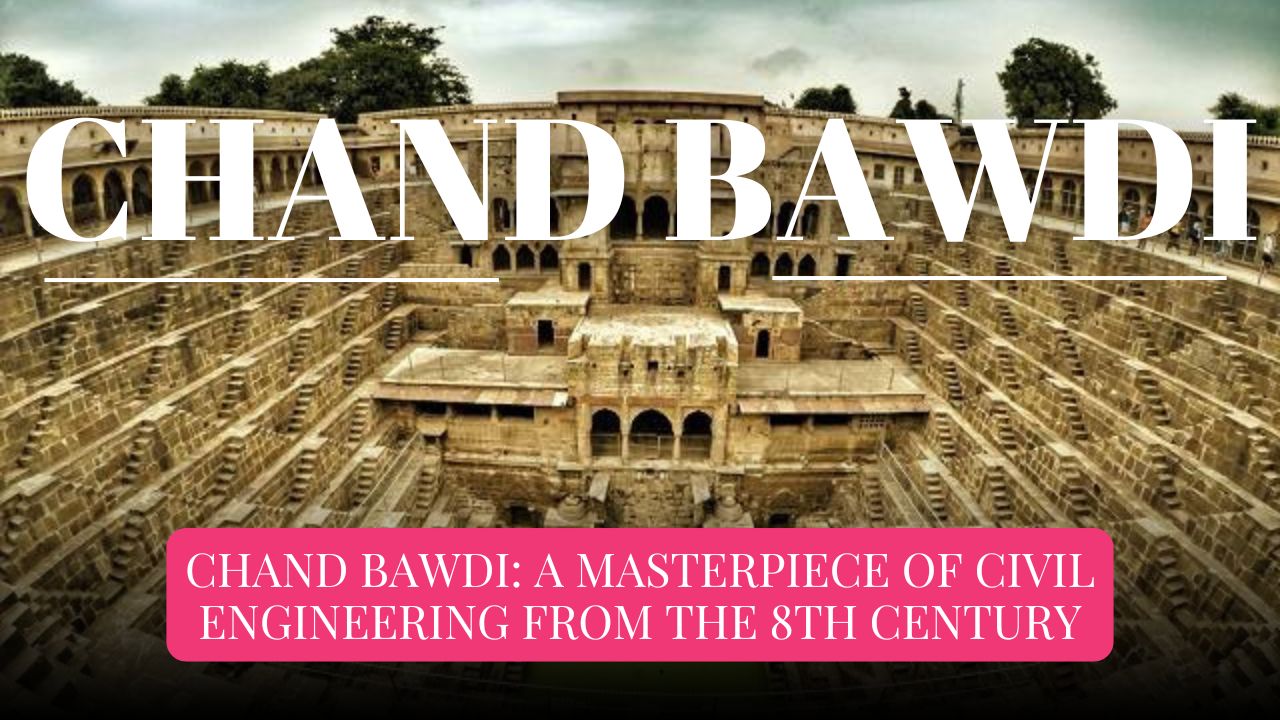
Chand Bawdi stands out among other stepwells due to its impressive 13-story structure that descends deep into the ground, providing a crucial reservoir of water, especially in times of drought. The intricate carvings and wells’ geometric patterns reflect the artistic excellence achieved by craftsmen in that era. The well not only served a functional purpose but also acted as a social and cultural hub, where inhabitants would gather, engage in trade, and partake in communal activities. Furthermore, the design of Chand Bawdi emphasizes the importance of water management in historical India, reinforcing its role in sustaining life amidst the challenges of a desert climate.
Today, Chand Bawdi is recognized as a significant historical monument, attracting scholars, architects, and tourists alike. It offers valuable insights into the advanced civil engineering techniques employed by the ancients, as well as the societal values that dictated the use of such structures. As it stands resilient against the passage of time, it serves as a vital link between the past and present, demonstrating the importance of preserving such masterpieces for future generations to study and appreciate.
Historical Context of Chand Bawdi
The Chand Bawdi, a masterpiece of civil engineering, traces its origins to the 8th century, a time marked by significant socio-economic changes in the Indian subcontinent. The need for reliable water supply led to the innovation of sophisticated water harvesting systems, exemplified by the construction of step-wells such as Chand Bawdi. These structures not only provided water for drinking and irrigation but also served as community gathering spaces, particularly during dry seasons.
The climatic conditions of the era posed considerable challenges, as the region experienced irregular rainfall and droughts, making consistent access to water crucial for survival. Traditional methods of water collection proved inadequate, prompting the society of that time to seek more sustainable solutions. The construction of a step-well was not merely a response to these climatic challenges but also illustrated the advanced engineering techniques that had developed in response to a growing demand for water. Chand Bawdi is among the most impressive outcomes of this engineering prowess, showcasing intricate design and functionality that allowed it to serve its purpose effectively.
Architectural Features of the Well
Chand Bawdi, known as a masterpiece of civil engineering, showcases remarkable architectural features that speak to the ingenuity of its creators in the 8th century. The well is characterized by its impressive 13-story structure, which is both functional and aesthetically pleasing. The design incorporates a rectangular shape, flanked by ornate staircases that descend into the depths of the well. This unique design enables easy access to water while serving as a gathering place for the community.
One notable aspect of the architectural design is the use of sandstone, which not only provides structural integrity but also adds to the visual appeal of Chand Bawdi. The craftsmanship of the stone masons is evident in the intricate carvings that adorn the walls of the well. These carvings depict various motifs, including floral patterns and religious symbols, reflecting the cultural significance of the structure during its time of construction. The interplay of light and shadow created by the numerous pillars and arches enhances the aesthetic experience and creates an inviting ambiance.
The engineering techniques employed in the construction of Chand Bawdi further exemplify its status as a civil engineering achievement. Moreover, the ventilation system integrated within the architectural framework prevents stagnation, ensuring that the water remains fresh and usable.
In essence, the architectural features of Chand Bawdi not only fulfill practical needs but also contribute to the overall grandeur of the structure. This well exemplifies how civil engineering can harmonize functionality with beauty, marking it as an essential landmark in the history of architecture.
The Engineering Marvel Behind Chand Bawdi
Chand Bawdi, a masterpiece of civil engineering, exemplifies the remarkable innovations and principles employed during the 8th century. Constructed as a 13-story stepwell, this incredible structure served not only as a water reservoir but also as a societal hub, reflecting the advanced engineering capability of its era. It is an architectural wonder reflecting both practicality and elegance.
One of the most significant challenges faced by the architects and engineers of that time was the need to excavate deep into the ground while ensuring structural integrity. The construction of Chand Bawdi required meticulous planning to overcome geological testing and hydrological studies, which were essential to determine the water table’s depth and the best materials to use for long-lasting stability. The stepwell’s square shape, along with its elaborate carvings and geometrical designs, showcases the aesthetic sensibility of the builders while providing a robust vertical structure.
The innovative use of granite as the primary building material contributed to the durability of this engineering marvel. The builders employed traditional techniques that included intricate stone cutting and precise alignment of the blocks, which are evident in the well’s ornate columns and beautifully embellished walls. These architectural methods not only ensured the well’s functionality but also imbued it with artistic value, making it a true masterpiece in civil engineering.
Moreover, the design of Chand Bawdi reflects an understanding of thermal dynamics. The well’s depth offers a cooler microclimate, providing relief from the extreme heat of the region, a significant advantage for communities relying on it for their water supply. Thus, the combination of aesthetic appeal, functional design, and innovative engineering principles illustrates the extraordinary capabilities of the craftsmen of the time in producing a structure that has endured for centuries.
Cultural Significance and Folklore
The Chand Bawdi, a masterpiece of civil engineering, serves as a significant cultural landmark that has deeply woven itself into the local traditions and folklore of Rajasthan. This 13-story well, built in the 8th century, is not just an architectural marvel; it embodies the cultural identity and historical narrative of the region. The well’s design and construction reflect the ingenuity of ancient engineering practices, while its purpose transcends mere water storage, evolving into a focal point for social interactions and community gatherings.
These tales often highlight the well as a sacred site, where community members come together to celebrate festivals and conduct religious rituals. The stories associated with the well serve to enhance its mystique and underline its importance as a communal space.
Moreover, the influence of the Chand Bawdi extends into the arts and literature, where poets, painters, and storytellers have drawn inspiration from its grandeur and historical significance. Many literary works depict the enchanting beauty of the well and its surroundings, often intertwining the structure with themes of love, devotion, and unity. This artistic representation further solidifies its status as a cultural symbol, elevating the local community’s sense of pride in their heritage.
Thus, the Chand Bawdi stands not only as an engineering marvel but also as a vivid testament to the region’s culture, folklore, and communal spirit. The stories and traditions associated with this remarkable well continue to shape and enrich the cultural landscape, ensuring its relevance for future generations.
Preservation Efforts for Chand Bawdi
The Chand Bawdi, a masterpiece of civil engineering, has not only survives the test of time but also faces significant challenges in preservation. Constructed in the 8th century, this 13-story well, known for its intricate design and historical significance, requires continuous efforts to maintain its structural integrity and beauty. Various stakeholders, including the government, non-profit organizations, and the local communities, have recognized the importance of safeguarding this remarkable site from degradation and are taking proactive steps to ensure its longevity.
The government has implemented several preservation initiatives aimed at restoring and maintaining the Chand Bawdi. These initiatives typically include funding for repair works, structural assessments, and measures to prevent environmental damage. Comprehensive maintenance plans are now in place to address issues such as erosion, water damage, and the effects of pollution on this historical landmark.
Non-profit organizations play a crucial role in conservation by raising funds and increasing awareness about the significance of the Chand Bawdi. These organizations often conduct community workshops and educational programs to engage local residents in preservation efforts. Volunteers contribute to cleaning initiatives and maintenance projects, fostering a sense of ownership and pride in their cultural heritage.
Finally, the involvement of local communities has proven to be essential in preservation efforts. In addition to volunteering for various initiatives, locals often serve as guides, sharing their knowledge of the well’s history with visitors. This not only boosts the site’s visibility but also reinforces the community’s bond with their heritage. Through combined efforts, preserving the Chand Bawdi continues to be a testament to the dedication of all involved in safeguarding this remarkable architectural achievement.
Chand Bawdi in Modern Times
The Chand Bawdi, a masterpiece of civil engineering, has not only stood the test of time but has also emerged as a significant cultural and historical landmark in modern times. As the world increasingly recognizes the importance of heritage conservation, this stunning 13-story well, built in the 8th century, continues to attract attention from both scholars and tourists alike. Today, it serves as a reminder of the ingenuity of ancient water management systems and highlights the values of sustainability and resourcefulness.
Tourism plays a vital role in the contemporary appreciation of Chand Bawdi. Visitors from around the globe come to experience not just the architectural grandeur of the stepwell but also to delve into its historical context. The well has become a focal point for guided tours and educational programs, allowing tourists to engage with its rich history. As a result, the Chand Bawdi is instrumental in promoting regional tourism, contributing to the economic development of the area while fostering cultural exchange.
Moreover, Chand Bawdi serves as an educational resource, inspiring studies in civil engineering, history, and archaeology. Schools and universities often organize field trips to the site to illustrate ancient engineering techniques and the historical significance of water conservation practices. In an era where sustainable solutions are crucial to combatting water scarcity, the architecture of stepwells has regained interest as a model for modern water management. Researchers and environmentalists are beginning to explore how systems like Chand Bawdi can inform contemporary strategies for sustainable resource utilization.
In conclusion, the Chand Bawdi remains not just a remarkable architectural feat but a beacon of heritage, education, and sustainability. Its role as a symbol of ancient engineering prowess continues to resonate with today’s technological advancements and environmental challenges.
Visitor Experience at Chand Bawdi
Visiting the Chand Bawdi offers an immersive experience into the architectural brilliance of the 8th century, attracting both history enthusiasts and casual travelers. The well, a true masterpiece of civil engineering, is accessible from the town of Abhaneri in the state of Rajasthan, India. The site is open to visitors throughout the week, with the best times to explore being early morning or late afternoon, when the sunlight casts enchanting shadows across the intricate carvings and staircases.
During your visit, expect to witness not just the grandeur of the well itself, but also the stunning landscape surrounding it. The structure’s deep descent into the Earth, coupled with its intricate architecture, provides numerous photographic opportunities. Additionally, visitors should wear comfortable footwear, as navigating the descending steps requires some attention. Be prepared for a bit of climbing, which can be rewarding as you reach the various levels of the well.
After touring the Chand Bawdi, there are several nearby attractions to consider. The Harshat Mata Temple, known for its splendid ruins and vibrant festivals, is just a short distance away. Other sites, like the Abhaneri village, offer a glimpse into traditional Rajasthan life.
Conclusion: The Legacy of Chand Bawdi
The Chand Bawdi stands as a remarkable testament to the ingenuity of civil engineering practices from the 8th century. This masterpiece of civil engineering is not merely a structural marvel; it symbolizes the cultural heritage and engineering prowess of its time. The intricately designed 13-story well demonstrates a sophisticated understanding of hydraulic systems, ensuring water availability even in periods of severe drought. Such constructions were critical to the development of the communities that depended on them, illustrating the social and technological advancements of the era.
Beyond its functional role, Chand Bawdi serves as a historical narrative of the region’s architectural evolution. The artistry involved in creating such a hefty structure underlines the exceptional skills possessed by the artisans and engineers of that period.
Moreover, preserving monuments like Chand Bawdi is crucial for future generations to understand their heritage. These structures offer valuable insights into past engineering practices and the societal needs they addressed. Protecting such landmarks helps ensure that stories of resilience and innovation continue to inspire. The legacy of Chand Bawdi endures, inviting all to explore and cherish the remarkable achievements of our forebears.