An Architectural Gem
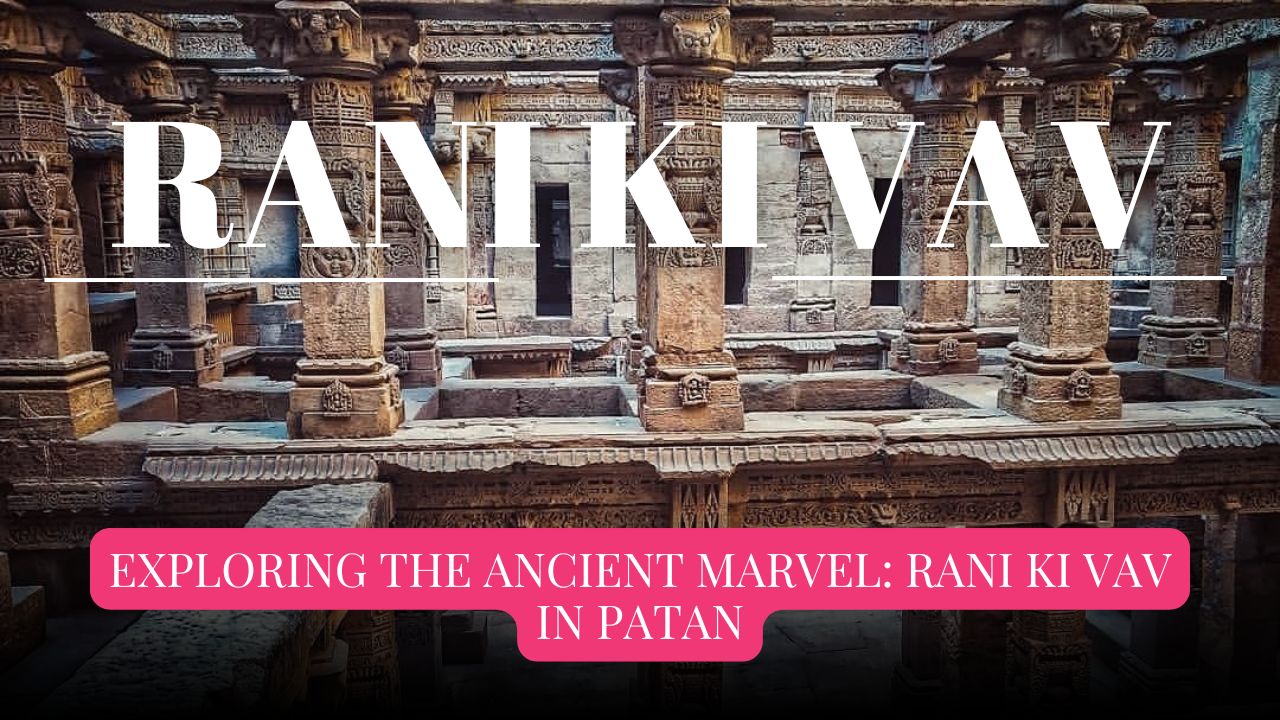
Rani Ki Vav, located in the town of Patan in Gujarat, India, is a stunning example of ancient Indian architecture. This stepwell, constructed during the 11th century by Queen Udayamati in memory of her husband King Bhimdev I, is a UNESCO World Heritage Site. The intricate carvings and elaborate sculptures that adorn the stepwell make it a significant historical and cultural landmark.
Historical Significance
Rani Ki Vav is not just an architectural wonder but also holds immense historical importance. It reflects the engineering prowess and artistic skills of the craftsmen of that era. The stepwell was built during the Solanki dynasty period, and its construction highlights the advanced water management and storage systems prevalent in those times. The well is designed to be an inverted temple, showcasing the sanctity and reverence associated with water in Indian culture.
Architectural Splendor
The design of Rani Ki Vav is a testament to the brilliance of ancient Indian architecture. The stepwell descends seven levels, each adorned with intricate sculptures and carvings depicting deities, mythological scenes, and everyday life. The most striking feature is the thousand sculptures of Lord Vishnu in his various avatars. The geometric precision and artistic finesse seen in the carvings make it a visual feast for visitors.
A Must-Visit Destination
Visiting Rani Ki Vav offers a unique glimpse into India’s rich cultural heritage. The stepwell is not only a site of historical significance but also a place where one can appreciate the artistic and engineering marvels of ancient India. For those traveling to Gujarat, a trip to Patan to witness the splendor of Vav is highly recommended.
In Conclusion Rani ki Vav in Patan, Gujarat, is a UNESCO World Heritage Site. This stepwell showcases intricate carvings and architecture. Visitors admire the historical significance and beauty of this ancient monument.