Historical Background of Kanch Mahal
Kanch Mahal, a remarkable structure nestled in the heart of Agra, reflects the rich cultural tapestry of India’s Mughal era. The palace was constructed during the reign of Mughal Emperor Akbar in the late 16th century, a period marked by unparalleled architectural brilliance and intricate artistry. This era was notable for the confluence of various cultural influences, which is vividly illustrated in the design of Kanch Mahal.
The palace is believed to have been built for Akbar’s favorite wife, Mariam-uz-Zamani, as a royal retreat. Its name, which translates to “Palace of Glass,” alludes to its exquisite decorative elements—large pieces of glass incorporated into the walls that would create a shimmering effect in the sunlight. This unique feature not only accentuates the aesthetic appeal of the structure but also symbolizes the grandeur and opulence associated with Mughal architecture.
Significantly, the Kanch Mahal reveals much about the social and political dynamics of the era. Over the years, the palace has witnessed several key events; it was a backdrop for royal gatherings and festivities, embodying the Mughal court’s lavish lifestyle. Despite undergoing periods of neglect, efforts for preservation and restoration have ensured that Kanch Mahal remains a crucial part of Agra’s historical landscape.
The palace stands today as a silent observer of the monumental shifts in history, inviting visitors to explore its majestic halls while revealing the stories of its illustrious past.
Architectural Features and Design
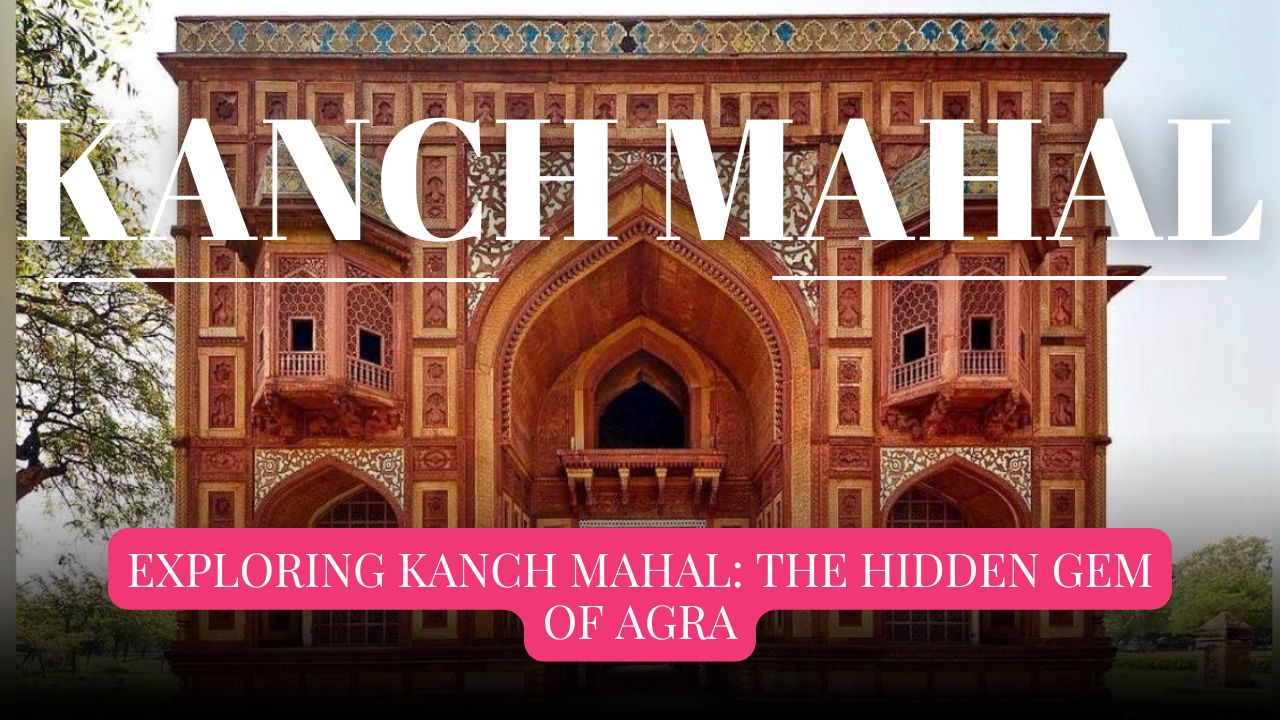
Kanch Mahal, located in the enchanting city of Agra, is a prime example of Mughal architecture that effectively showcases a blend of artistic influences and local nuances. The structure stands out due to its distinct construction style, which incorporates intricate patterns and motifs, characteristic of the period. Built primarily during the reign of the Mughal Empire, the mahal exhibits a sophisticated use of red sandstone and marble, which adds to its aesthetic appeal.
Significantly, Kanch Mahal’s design features elaborate frescoes that adorn its walls, revealing a dedication to artistry that was prevalent among contemporary Mughal structures. The vibrant colors and intricate details found in these artworks make the mahal a visual feast, inviting visitors to delve deeper into its historical narratives.
The unique layout of Kanch Mahal includes spacious courtyards that serve both as functional and social spaces. These areas facilitate ventilation and light penetration, integral to the practical design of the structure. Additionally, the waterworks within the complex exemplify advanced engineering, with fountains and water channels enhancing the overall ambiance. Such features echo the importance of water in Mughal gardens, symbolizing paradise on earth.
The fusion of regional aesthetics with Mughal influence highlights the versatility and creativity of the architects and builders of the time. Overall, Kanch Mahal stands not only as a monument of architectural brilliance but also as a symbol of the socio-cultural dynamics that shaped the artistic landscape of Agra.
Visitor Experience: Exploring the Palace Today
Kanch Mahal, nestled in the historic city of Agra, offers a unique experience for visitors seeking to explore its architectural beauty and cultural significance. Those planning their visit should aim for the cooler months, between October and March, when temperatures are more conducive to outdoor exploration. The palace is often less crowded during weekdays, allowing for a more tranquil experience.
As of the latest updates, the entry fee to Kanch Mahal is quite reasonable, making it accessible to a wide range of visitors.
In addition to the palace itself, visitors can take advantage of the rich array of attractions nearby. Just a short distance away lies the iconic Taj Mahal, a quintessential stop that cannot be missed. Other nearby sites include the Agra Fort and the serene gardens of Mehtab Bagh, providing beautiful views of the Taj Mahal across the Yamuna River. For those interested in a deeper cultural immersion, local artisans often showcase their crafts, allowing visitors to participate in workshops ranging from traditional pottery to intricate marble inlay.
Many who have visited Kanch Mahal speak fondly of its serene ambiance and captivating architecture, emphasizing the charm that sets it apart from more crowded tourist spots in Agra. Testimonials highlight not only the palace’s beauty but also the warmth and hospitality of the local residents, enhancing the overall travel experience. By incorporating Kanch Mahal into their itineraries, visitors can uncover a hidden gem in Agra, enriching their travel memories.
Conservation Efforts and Future Prospects
Kanch Mahal, a stunning example of Mughal architecture located in Agra, has increasingly become a focal point for conservation efforts aimed at preserving not just the structure, but also the cultural narratives it embodies. Given the pressures of urban development and the influx of tourism, the integrity of this historic site is relatively under threat. Current initiatives led by both governmental and non-profit organizations in Agra seek to address these challenges by implementing sustainable conservation practices that ensure the long-term preservation of Kanch Mahal.
One significant challenge faced by heritage sites across Agra, including Kanch Mahal, is the rapid encroachment of urbanization. The growth of infrastructure tends to overlook the importance of preserving cultural landmarks. Conservationists are working tirelessly to create awareness regarding the historical significance of Kanch Mahal, advocating for policies that protect such sites from harmful development.
Future plans may include the introduction of guided tours that illuminate the history of Kanch Mahal while promoting responsible tourism. By doing so, developers hope to balance visitor experience with the site’s preservation needs, ensuring that Kanch Mahal remains a vibrant chapter in Agra’s historical narrative.
In conclusion, the combined efforts of governmental frameworks and community-level engagement will be vital in navigating the complexities surrounding Kanch Mahal’s conservation. Safeguarding this hidden gem requires a cohesive approach that prioritizes both immediate preservation undertakings and sustainable tourism initiatives, ultimately securing its legacy for generations to come.