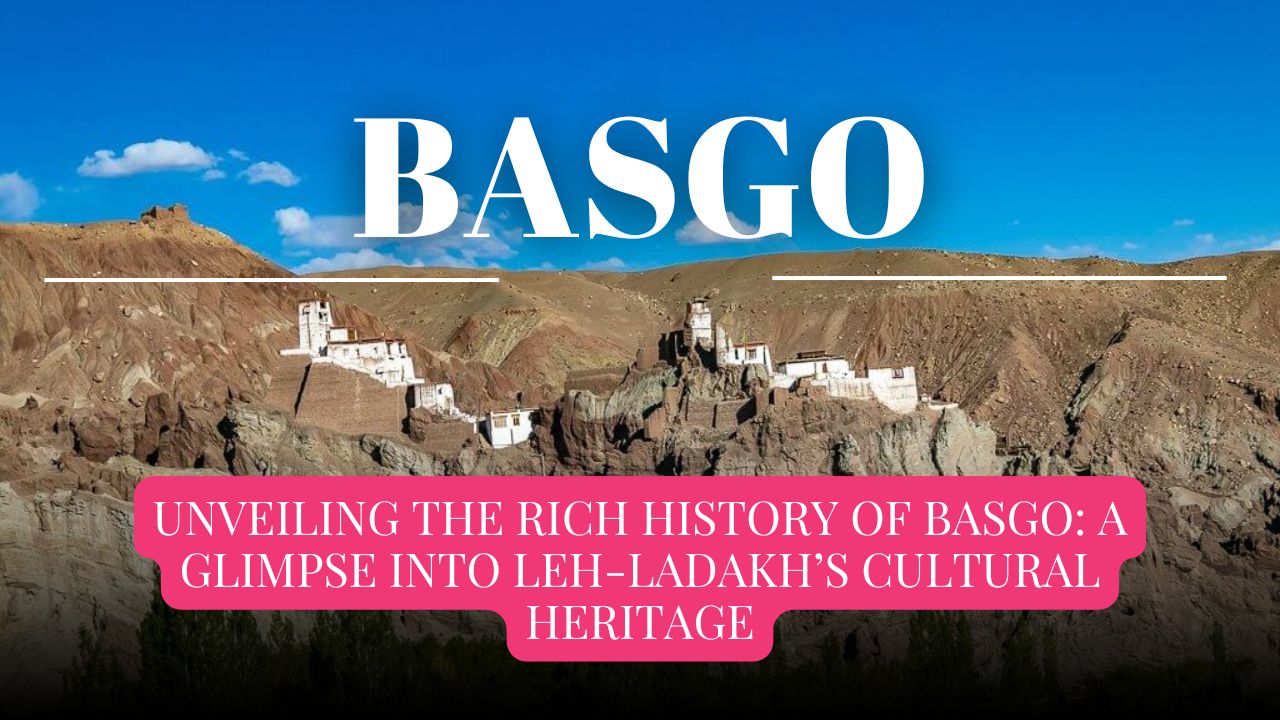
The Origins of Basgo
The town of Basgo, nestled within the rugged terrain of Leh-Ladakh, boasts a history that stretches back to ancient times. The historical roots of Basgo can be traced to its strategic geographic location along vital trade routes that linked Central Asia with the Indian subcontinent. This position not only rendered Basgo a significant trade hub but also facilitated cultural exchanges between diverse civilizations, hence enriching the cultural tapestry of Leh-Ladakh’s history.
In its early days, Basgo was characterized by its natural resources, which played a pivotal role in sustaining early settlers. The availability of water from the Indus River, fertile land for agriculture, and ample pastures for livestock were key factors that attracted the earliest inhabitants to establish their communities in this region. The synergy between the geographic features and the human enterprise contributed to successful agrarian practices, establishing Basgo as a vital settlement in the context of the broader Leh-Ladakh history.
The strategic importance of Basgo cannot be overstated, as it served as a waypoint for traders and travelers traversing the challenging terrain of the Himalayas. The ancient silk route, particularly, saw merchants and caravans frequenting this area. Over time, this accumulation of diverse influences shaped the socio-economic landscape of Basgo, contributing to its growth and significance within Leh-Ladakh’s history. Through the exploration of Basgo’s origins, we gain valuable insights into how geography, resources, and trade intertwined to shape the identity of this remarkable town.
The Architectural Marvels of Basgo
Basgo, a historic settlement located in the Leh-Ladakh region, boasts a rich architectural heritage that reflects the unique cultural fusion of Tibetan and Buddhist influences. This remarkable history is evident in the distinguished monasteries, forts, and other structures that have stood the test of time, narrating the tales of their creators and the eras they represent.
One of the most notable structures in Basgo is the Basgo Fort, a grand edifice that once served as a strategic military stronghold. Constructed in the 15th century under the rule of King Sengge Namgyal, the fort features remarkable stone masonry and expansive walls designed to withstand sieges. Its commanding location offers panoramic views of the surrounding valleys, emphasizing its historical significance. Within the fort, visitors can find remnants of ancient temples and monasteries, indicative of the religious fervor that characterized Basgo’s history.
In addition to the fort, Basgo is home to several prominent monasteries, such as the Basgo Monastery, which showcases the intricate blend of Buddhist art and architecture. The monastery’s statues and thangkas preserve the teachings of Buddhism, while its unique architectural elements reflect the skilled craftsmanship of the artisans. Unfortunately, many of these structures are currently facing challenges due to environmental factors and neglect, which has necessitated preservation efforts. Initiatives are underway to restore these historical monuments, ensuring that future generations can appreciate and learn from Basgo’s rich history.
Cultural Significance and Festivals of Basgo
Basgo, a historic town in the Leh district of Ladakh, holds a distinct place in the cultural landscape of the region, celebrated for its rich traditions and vibrant festivals. Central to the community’s cultural fabric is the festival of Dosmochey, which marks the beginning of the new year in the Tibetan calendar. The festivities serve not only as an expression of spiritual devotion but also as a means of reinforcing social bonds among the residents.
The customs and kitchen practices in Basgo further underline its historical significance. Dietary staples, such as barley and meat, blend with aromatic spices to form unique dishes that reflect the area’s accessible resources and cultural heritage. The preparation of these culinary delights is often accompanied by folk songs and communal cooking sessions, fostering a sense of community among participants.
Artistic expression marks another significant aspect of the cultural significance of Basgo. The local artisans skillfully craft intricate thangkas (painted scrolls) and Buddhist sculptures that embody the traditional beliefs and values of the community. These artworks, often showcased during festivals, allow visitors and locals alike to appreciate the deep historical and spiritual ties that Basgo has with the wider Leh-Ladakh history.
Modern-Day Basgo: Challenges and Opportunities
The contemporary landscape of Basgo, once a pivotal site in the Leh-Ladakh history, is not without its challenges. As tourism continues to grow, the delicate balance between economic benefits and cultural preservation has become increasingly precarious. Tourists flock to the region’s historical sites, drawn by its unique architecture and rich cultural tapestry. However, this influx poses risks to the integrity of Basgo’s historical monuments, which face wear and tear from both environmental factors and human activity.
Climate change further exacerbates the challenges faced by Basgo. The region is experiencing significant shifts in weather patterns, which impact traditional agricultural practices and water resources. Local communities are beginning to implement innovative practices aimed at mitigating climate risks while preserving the history that defines them.
The urbanization of nearby areas presents another layer of complexity. As modern infrastructure develops, there is the potential for cultural dilution. The challenge lies in fostering development that respects and integrates local customs and traditions. Community engagement initiatives are essential in this regard, allowing local voices to be heard in planning processes. There is a burgeoning opportunity for Basgo to emerge as a model for sustainable tourism, where visitors can appreciate its rich history while contributing to the local economy in a meaningful way. By prioritizing preservation and resilience, Basgo can hold on to its historical roots in the face of modern demands.