Introduction to Safdarjung Tomb
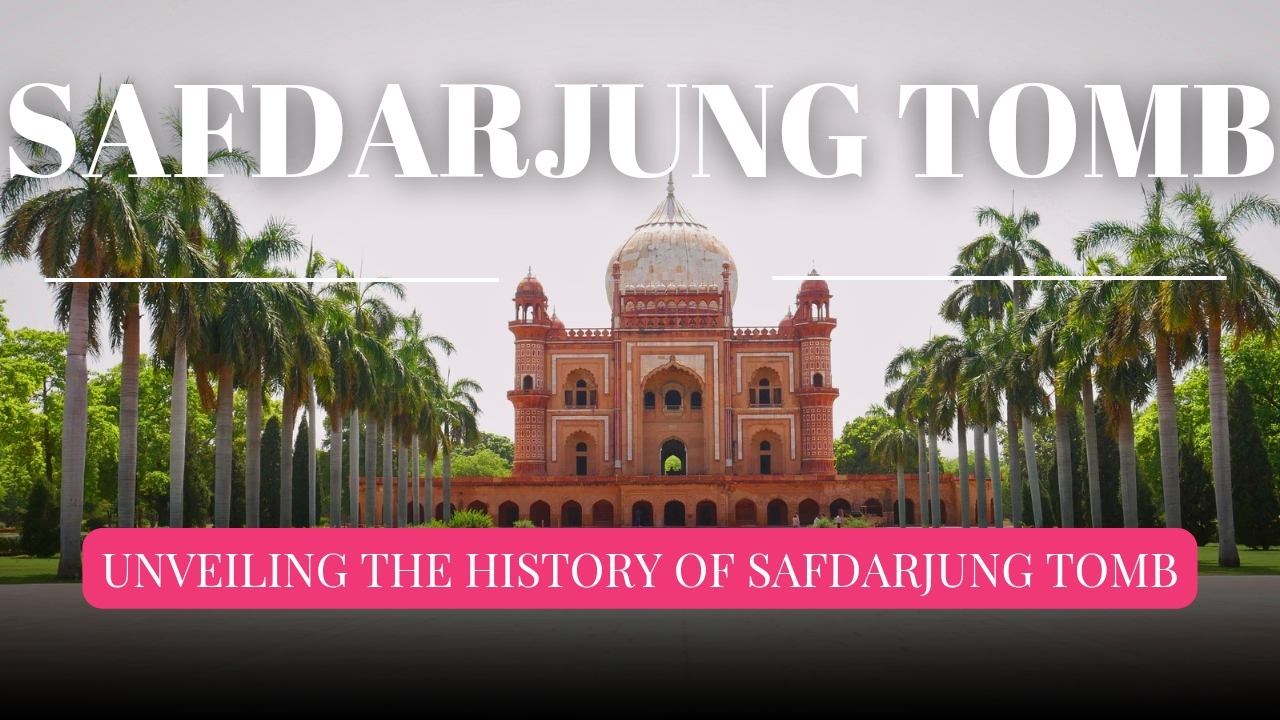
Safdarjung Tomb is a grand mausoleum located in Delhi, India, built in the mid-18th century. This historical monument is a testament to the Mughal architecture that flourished during that era. It stands as a significant reminder of the cultural and architectural prowess of the time.
The Safdarjung Tomb in Delhi is known as the last monumental tomb garden of the Mughals. It combines Mughal and Persian architectural styles, making it a significant historical site.
Historical Background
They constructed the Safdarjung Tomb in 1754 as a tribute to Mirza Muqim Abul Mansur Khan, popularly known as Safdarjung. He was the viceroy of Oudh under the Mughal Emperor, Ahmad Shah Bahadur. His son, Nawab Shuja-ud-Daula, commissioned the tomb.The construction marked the end of the Mughal architectural era and showcases a blend of Persian and Indian styles.
Architectural Significance

The Safdarjung Tomb is an architectural marvel with its intricate designs and grand structure. The builders used brownish-red sandstone and marble to construct the tomb, which features a central dome, large courtyards, and lush gardens. They surrounded the main mausoleum with four smaller pavilions named Jangli Mahal, Moti Mahal, Badshah Pasand, and Qawabgah. The aesthetics of the tomb are reminiscent of the grandeur of Mughal architecture.
Legacy and Importance
The Safdarjung Tomb holds immense historical significance as it is one of the last monumental structures built during the declining years of the Mughal Empire. It represents the cultural amalgamation and architectural brilliance of that period. Today, it stands as a popular tourist attraction and a symbol of India’s rich heritage.
In conclusion, the Safdarjung Tomb is not just a mausoleum but a historical treasure that offers a glimpse into the grandeur of Mughal architecture. Whether you are a history enthusiast or an architectural aficionado, the Safdarjung Tomb is a must-visit site that encapsulates the essence of a bygone era.