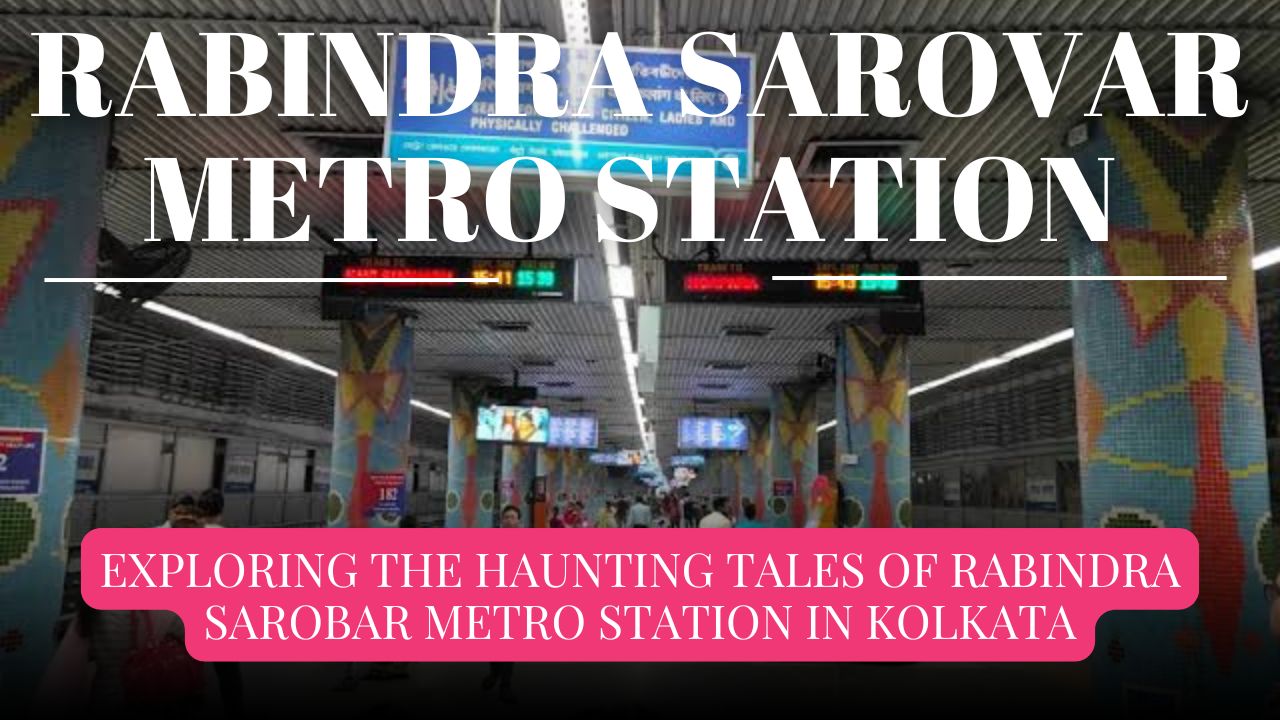
Introduction to Rabindra Sarobar Metro Station
Rabindra Sarobar Metro Station, an integral part of Kolkata’s extensive metro network, stands out as one of the busiest stations among the city’s bustling transportation hubs. Located on Kolkata Metro Line 1, this station serves as a crucial node, channeling thousands of daily commuters across various parts of the city. Its strategic position connects residential areas, commercial zones, and other significant landmarks, making it indispensable to Kolkata’s public transportation infrastructure.
Situated near the picturesque Rabindra Sarobar Lake, the station is not just a transit point but also a gateway to one of the city’s cherished green spaces. This confluence of urban transit and natural beauty encapsulates Kolkata’s blend of modernity and tradition. Over the years, it has gained notoriety for eerie occurrences and spine-chilling tales that transcend its everyday functionality.
This intriguing duality makes the station a subject of fascination and fear among locals and visitors alike. While most people hurry through its platforms and exits to reach their destinations, there are those who pause to ponder the unsettling atmosphere that seems to linger after the daily rush subsides.
As we delve deeper into this narrative, it becomes evident that Rabindra Sarobar Metro Station is not just another stop on Kolkata’s metro line. It is a place where everyday routine and supernatural myths intertwine, setting the stage for an exploration of the haunting tales associated with it.
Origin and Spread of Haunting Stories
Rabindra Sarobar Metro Station in Kolkata has long been shrouded in eerie tales and ghostly legends. The origins of these haunting stories can be traced back to a series of tragic events and unfortunate incidents that have occurred over the years. Notably, there have been multiple cases of suicides reported at the station. These tragic ends have sparked widespread speculation and have contributed significantly to the station’s reputation as a haunted place. Locals often recount sightings of ghostly figures and unexplained phenomena during late-night hours, further feeding the lore.
Local folklore and urban legends have played a vital role in the proliferation of these chilling narratives. These tales often describe shadowy apparitions and sudden temperature drops, infusing a sense of dread among daily commuters.
The spread of these haunting stories has been significantly amplified through various channels. Initially propagated by word of mouth, the tales found a broader audience when media reports started highlighting unexplained occurrences at Rabindra Sarobar Metro Station. The media coverages, mixing facts with local superstitions, added layers of authenticity to these tales. Social media platforms have further fueled the narrative, with users sharing personal experiences and eerie encounters from the station. Hashtags like #hauntedplace and #RabindraSarobarMetro have gained traction, keeping the spooky stories alive in public consciousness.
Notable incidents, such as the widely reported suicides and occasional media-highlighted disturbances, have served as catalysts in perpetuating the haunted reputation of the station. These incidents often create a fertile ground for new ghost stories to emerge, contributing to the ongoing cycle of fear and fascination surrounding Rabindra Sarobar Metro Station. As a result, the station has earned a spectral status, with its haunting tales becoming an intrinsic part of Kolkata’s urban folklore.
Personal Experiences and Eye-Witness Accounts
Rabindra Sarobar Metro Station in Kolkata has long been a focal point for those intrigued by supernatural phenomena, due largely to numerous personal experiences and witness accounts that propagate its reputation as a haunted place. Metro staff, commuters, and occasional visitors have shared a multitude of unsettling experiences, each contributing to the eerie atmosphere that envelops this station.
One of the most chilling testimonies comes from a metro employee who has worked numerous night shifts. He recalls a particularly quiet evening when, out of the corner of his eye, he noticed a shadowy figure near the end of the platform. Initially assuming it was a wandering commuter, he approached the figure only for it to vanish without a trace. This occurrence has since left him with an enduring sense of dread whenever he nears that part of the station.
Similarly, regular commuters have reported unexplained whispers and sudden chills despite the warm Kolkata weather.
An even more spine-tingling account comes from a group of friends who decided to board one of the last trains of the day. Feeling an oppressive sense of unease, they abandoned their journey entirely, resolving never to use this station after sunset again.
These eye-witness accounts, whether from metro staff or daily passengers, weave a rich tapestry of spectral narratives that underscore the sinister aura of Rabindra Sarobar Metro Station. Each story, filled with strange sights, sounds, and the pervasive feeling of unease, continues to bolster the station’s notoriety as a prominent haunted place in Kolkata.
Rational Explanations and Skeptic Perspectives
The tales of Rabindra Sarobar Metro Station’s haunting have garnered significant attention, captivating the minds of both locals and visitors. However, a critical examination reveals that psychological and environmental factors might play a significant role in these eerie experiences. The station’s underground setting, dim lighting, and the quiet ambiance during late hours can create an environment ripe for unsettling emotions. Commuters traveling late at night might already be anxious, and the foreboding atmosphere can amplify their fears, leading them to believe they have witnessed supernatural phenomena.
Experts in psychology suggest that the power of suggestion can heavily influence people’s perceptions. This phenomenon, known as confirmation bias, can explain many of the reported paranormal sightings.
Environmental factors can also exert influences that are misinterpreted as ghostly activities. For example, the underground construction of the Rabindra Sarobar Metro Station may produce resonant vibrations or unusual acoustics. Studies highlight that low-frequency sounds, also known as infrasound, can cause feelings of anxiety and unease.
Despite rational explanations, the stories surrounding Rabindra Sarobar Metro Station persist and even thrive. They have undoubtedly impacted the station’s reputation, drawing curious visitors and cautious commuters alike. Such stories persist in modern urban settings because they provide a shared narrative, a common ground for people to converse and connect.
Ultimately, while paranormal accounts at the station may never be conclusively proven or debunked, the mixture of psychological, environmental, and social factors presents compelling reasons for their persistence. Whether fueled by legitimate supernatural occurrences or the human tendency to imagine ghosts in the shadows, such tales will likely continue to be a part of Rabindra Sarobar Metro Station’s enigmatic allure.