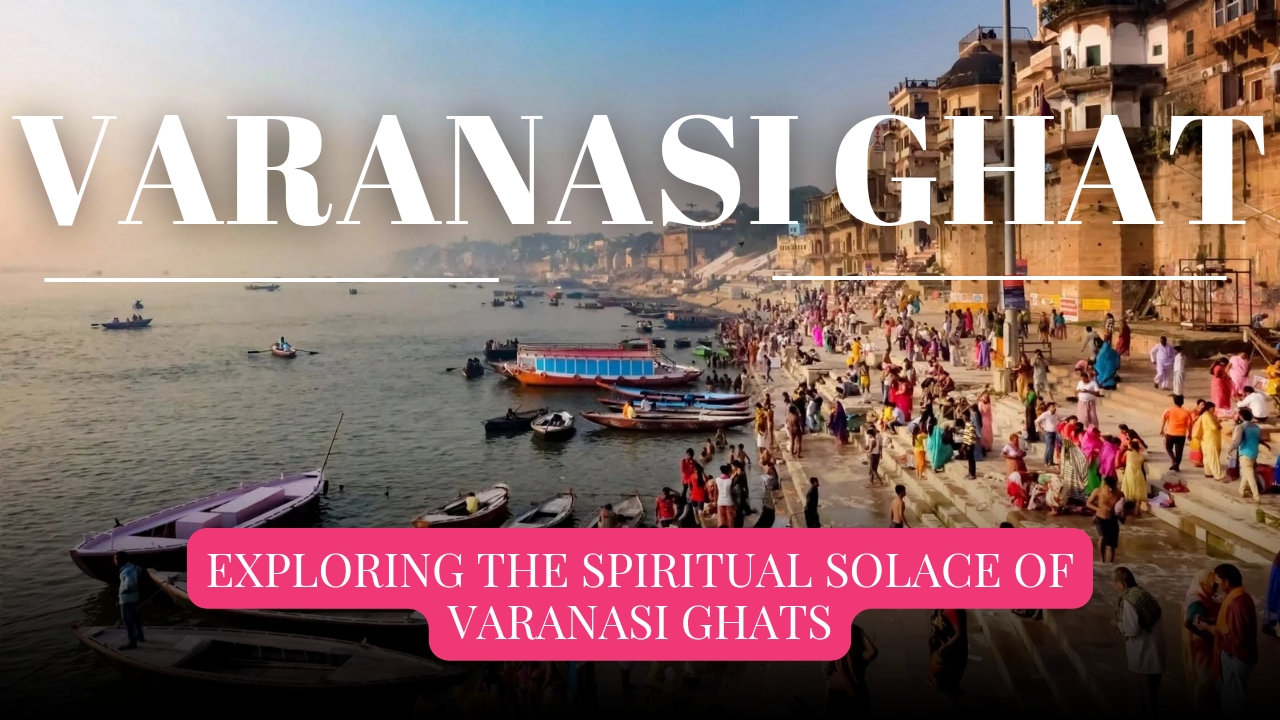
An Overview of Varanasi Ghats
Varanasi, one of the oldest inhabited cities in the world, is renowned for its ghats—steps leading down to the river. There are roughly 88 ghats in Varanasi, primarily used for bathing and Hindu rituals. These ghats hold tremendous cultural and spiritual significance, making Varanasi a focal point for millions of pilgrims and tourists annually.
The Most Notable Ghats
Among the numerous ghats, some stand out due to their historical and spiritual importance. Dashashwamedh Ghat is arguably the most famous, known for its vibrant Ganga Aarti—a ritual that attracts scores of visitors daily. Manikarnika Ghat is another crucial site, primarily used for cremation, underscoring the city’s association with life and death. Assi Ghat is popular among students and tourists, often hosting cultural programs and events.
Rituals and Activities
Visiting the Varanasi ghats offers a kaleidoscope of activities and rituals. Early mornings see individuals performing yoga, while hundreds bathe in the holy waters of the Ganges. Boat rides provide a serene way to witness the ghats’ beauty, especially at sunrise and sunset. The nightly Ganga Aarti at Dashashwamedh Ghat is a mesmerizing experience, involving elaborate rituals, chants, and light offerings.
Best Time to Visit
The best time to visit Varanasi ghat is during the cooler months from October to March. The weather is pleasant, making it conducive for exploring the ghats. Festivals like Diwali and Ganga Mahotsav offer unique experiences, displaying the ghats at their most vibrant and festive.
In conclusion, the ghats of Varanasi offer a profound blend of spirituality, history, and culture. Whether you are a devout pilgrim or a curious traveler, visiting these ghats provides an unparalleled insight into the cultural tapestry of India.